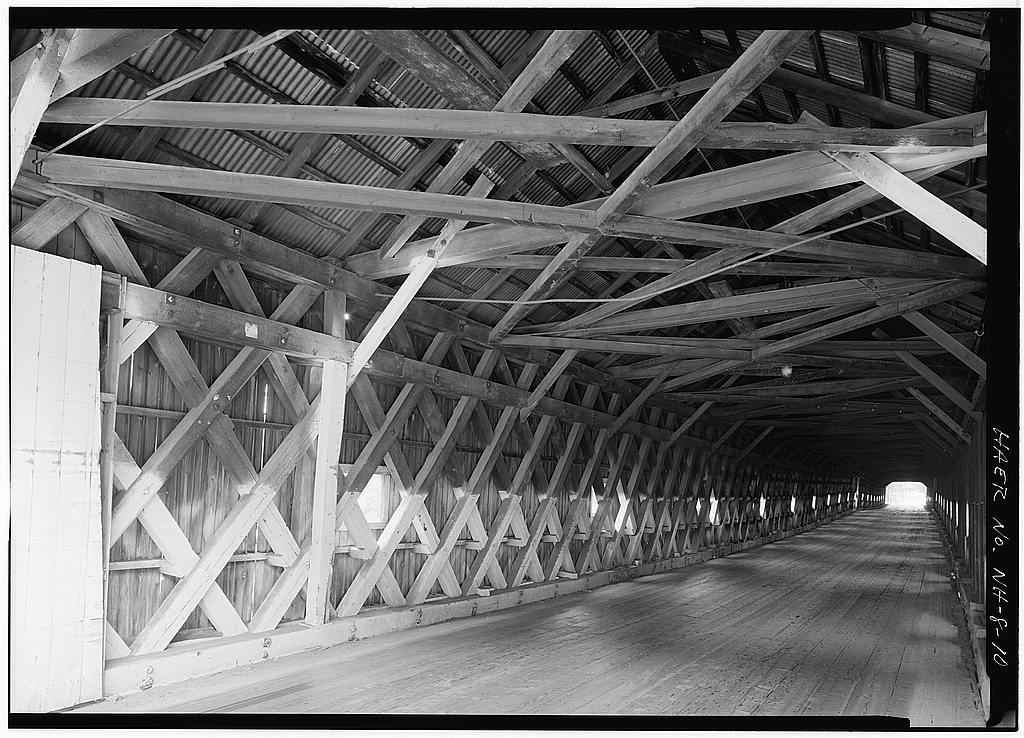
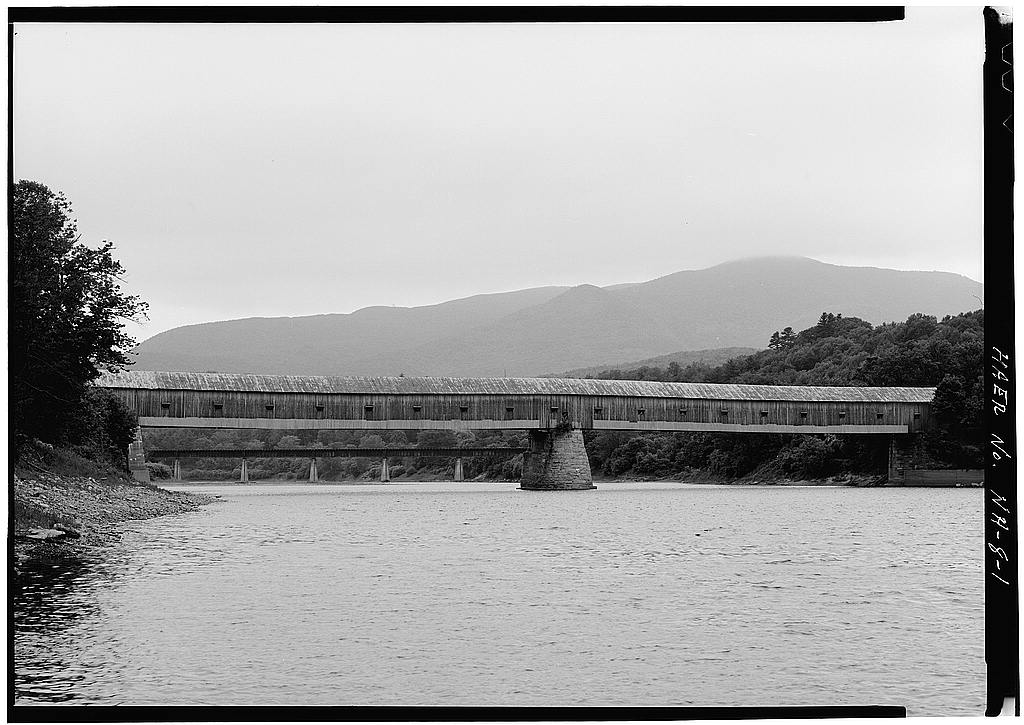
Photos: Cornish-Windsor Covered Bridge, Spanning Connecticut River between Cornish, NH, & Windsor, VT. Courtesy of the Historic American Engineering Record. See below for full credit.
Timber Bridges in Practice: History, Rehabilitation, and Real-World Case Studies
Tuesday, March 24, 2026
1:00 p.m. - 2:30 p.m. ET
This introductory webinar is designed for students participating in—or considering—the APT Preservation Engineering Technical Committee Timber Bridge Design‑Build Competition, as well as others new to historic timber bridge work.
Through a mix of historical context, preservation frameworks, and contemporary case studies, presenters will explore how historic timber bridges are evaluated, repaired, rehabilitated, and sometimes reconstructed today. The session will introduce common timber truss types, discuss the Secretary of the Interior’s treatment standards as they apply to bridges, and highlight multiple real‑world projects ranging from long‑standing rehabilitation case studies to major timber bridge projects currently underway.
Practicing preservation engineers and specialists will share examples from their own work, illustrating how different design decisions, materials, and constraints shape outcomes—and why there is no single “cookie‑cutter” solution for timber bridge projects. The webinar will conclude with time for questions and discussion, helping students connect competition work to real professional practice and upcoming site-based learning opportunities at the APT 2026 conference hosted in Indianapolis.
This is a non-CEU event.
There is no fee to attend, but registration is required.
Can't join the webinar live? A limited-access recording of this session will be available to those who register for the webinar.
Presented by the Preservation Engineering Technical Committee.
Speakers:
 |
Bill Caswell
Bill Caswell, is a native of Narragansett, Rhode Island, and attended the University of Rhode Island, where he earned a Bachelor of Science degree in 1984. He has been employed as a civil engineer at the New Hampshire Department of Transportation since college.
Being new to New Hampshire, his first supervisor at NHDOT suggested visiting the state’s covered bridges. The craftsmanship of those structures combined with his life-long interest in history set his future on a new path. Bill and his wife Jennifer have visited most of the standing covered bridges in the United States and Canada. In 2002, he co-founded a research project to document the past and present covered bridges of the United States and Canada. The "Covered Spans of Yesteryear" website, www.lostbridges.org, presently documents over 14,000 covered and uncovered wood truss bridges. He is the author of Connecticut and Rhode Island Covered Bridges (2011) and the most recent edition of the World Guide to Covered Bridges (2021). He is actively involved in a number of covered bridge organizations. He has served as the newsletter editor, historian, vice president and, since 2014, president of the all-volunteer, non-profit National Society for the Preservation of Covered Bridges.
|
 |
Daniel Kurdziel, PE
Daniel Kurdziel is a structural engineer and president of Kurdziel Barker Engineering, Inc., a firm specializing in the preservation, rehabilitation, and relocation of historic bridges. With more than 17 years of experience in bridge engineering and over a decade focused on historic structures, Daniel has worked on more than 300 bridges throughout his career. His work includes the restoration and relocation of historic metal truss bridges, timber covered bridges, and masonry arch structures across the Midwest.
After graduating from Purdue University with a degree in Civil Engineering, Daniel began his career designing highway bridges for major transportation corridors, including projects on I-465, I-69, and US-31. He later led bridge design teams and developed historic bridge programs before co-founding Kurdziel Barker Engineering to focus exclusively on preserving culturally significant infrastructure.
Daniel is a frequent presenter at engineering conferences and preservation forums, where he shares strategies for restoring historic bridges using modern engineering practices while maintaining historical authenticity. His work has received engineering excellence awards and has been featured in national media and documentaries. He is licensed in multiple states and is passionate about ensuring historic bridges remain functional, safe, and part of the communities they serve.
|
 |
Christopher H. Marston
Christopher H. Marston has been an architect with the Historic American Engineering Record since 1989 and has led HAER teams recording a variety of sites. He was the project manager of the HAER National Covered Bridges Recording Project from 2002-2019. He served as a co-editor for three books: Guidelines for Rehabilitation of Historic Covered Bridges (with Tom Vitanza, HAER, 2019), Covered Bridges and the Birth of American Engineering (HAER, 2015), and America’s National Park Roads and Parkways: Drawings from the Historic American Engineering Record (Johns Hopkins University Press, 2004). He has degrees in architecture from the University of Virginia and Carnegie-Mellon University and is a Past President of the Society for Industrial Archeology.
|
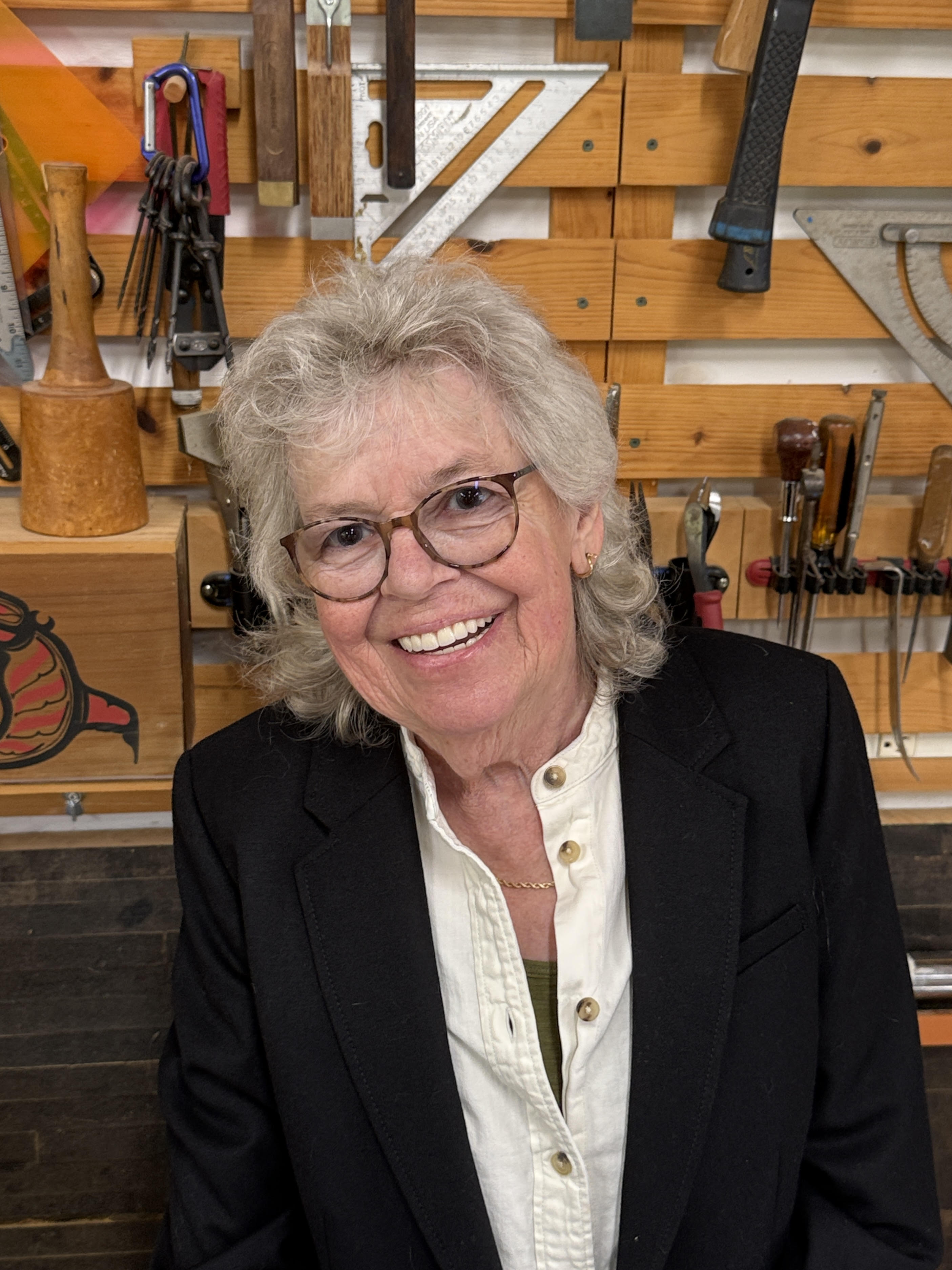 |
S. Elizabeth “Lisa” Sasser
S. Elizabeth “Lisa” Sasser, AIA, is a preservation architect and educator with more than four decades of experience. She began her career in 1972 at the Ranching Heritage Center in Lubbock, Texas, earned her Bachelor of Architecture from Texas Tech University in 1977, and went on to hold numerous roles with the National Park Service, including Historical Architect, Supervisory Preservation Specialist, Senior Historical Architect, Assistant Chief Historical Architect, Project Manager, and Facility Management Coordinator; in 1984, she also became the first woman to enter the Park Service preservation trades training program. Her work has included major preservation projects at Ellis Island, the Washington Monument, and many historic structures across national parks in the Mid-Atlantic and New England. Since retiring from the National Park Service in 2009, she has remained active as a consultant and instructor, developing training programs and leading workshops nationwide. She is a founding member and past President of the Preservation Trades Network, a past President of the Timber Framers Guild, and the recipient of the Askins Achievement Award and the National Park Service Crystal Owl Award.
|
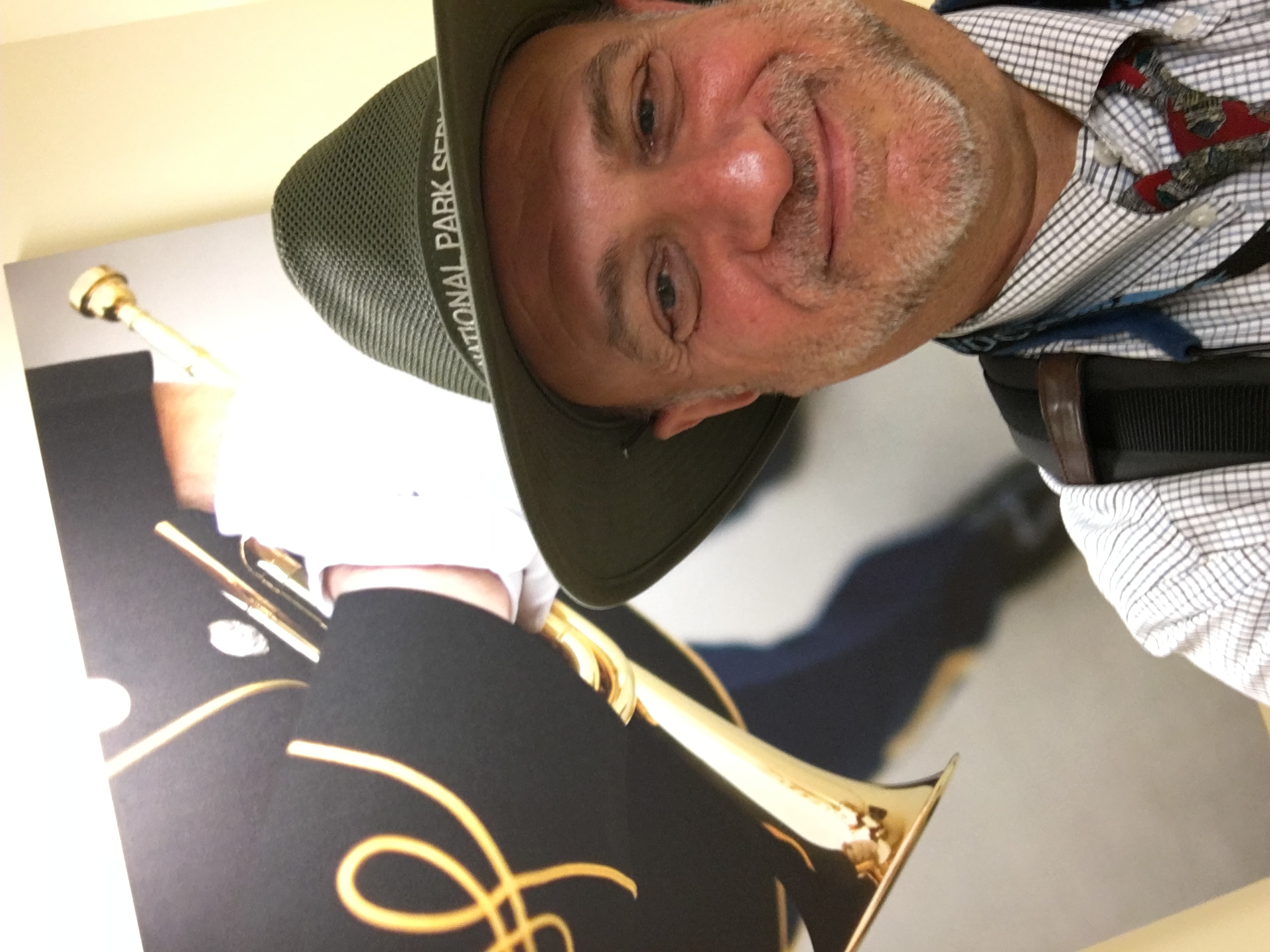 |
Thomas Vitanza, RA, AIA, NCARB
Tom Vitanza is a Registered Architect MD, NCARB. He was a Senior Historical Architect for 22 years (Emeritus since 10/22) at the National Park Service Historic Preservation Training Center. He is the Co-Author with Christopher Marston of the National Park Service (NPS) Guidelines for Rehabilitating Historic Covered Bridges (2019) and Co-Editor with Christopher Marston & Editor of Case Studies Section. Tom is the design architect for numerous NPS historic timber frame and log structures including: dwellings, barns, engineered structures, bridges, and NPS specific building types. He was the President of the APTDC Chapter (1999), APTDC Officer, Board, and Committee Duties: 1996 – 2020, and Architect mentor for the National Council of Preservation Education program 30 years (several resultant RA’s).
|
| Moderator: |
|
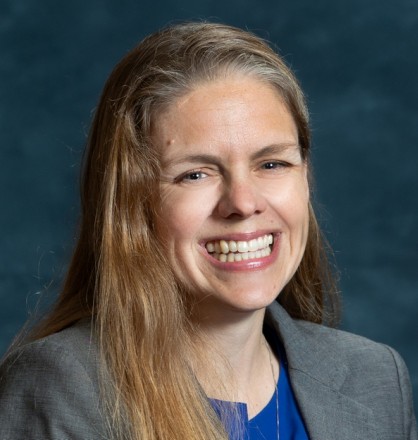 |
Rachel Will, PE, Co-Chair, APT Preservation Engineering Technical Committee
Rachel is a Principal and Executive Director of Knowledge Sharing at Wiss, Janney, Elstner Associates, Inc. She performs building envelope evaluations and investigations of distressed and deteriorated conditions in existing buildings. She has performed numerous facade inspections, condition surveys, repair design, construction document preparation, and construction observation. Ms. Will’s expertise includes documentation and investigation of building facades with a focus on brick, terra cotta and stone masonry as well as preservation and repair of historic buildings. She has authored/coauthored and presented numerous papers regarding historic masonry. While attending the School of the Art Institute of Chicago, Ms. Will completed her master’s thesis, which analyzed the effect of ten unique structural building codes on historic preservation projects.
|
Photo credit: Historic American Engineering Record, Creator, James F Tasker, Bela J Fletcher, Ithiel Town, David C Fishchetti, Chesterfield Associates, Jan Lewandoski, et al., Lowe, Jet, photographer. Cornish-Windsor Covered Bridge, Spanning Connecticut River between Cornish, NH, & Windsor, VT, Cornish City, Sullivan County, NH. Windsor Sullivan County New Hampshire Cornish City Windsor County Vermont, 1968. translateds by Jackson, Donald C.Mitter, and Yearby, Jean P.Mitter Documentation Compiled After. Photograph. https://www.loc.gov/item/nh0177/ and https://www.loc.gov/rr/print/res/114_habs.html.
|