
- Home
- About APT
- Publications/Resources
- Conferences & Training
- Chapters
- Chapters Overview
- Alberta
- Atlantic Canada
- Australasia
- Central Plains
- APT Canada
- Delaware Valley
- Eastern Great Lakes
- Europe
- Hawaii-Pacific Islands
- Latin America and Caribbean
- Northeast
- Northwest
- Ohio Valley
- Ottawa Valley/Outaouais
- Québec
- Rocky Mountain
- South Asia
- Southeast
- Texas
- Washington D.C.
- Western Great Lakes
- Western
- Committees
- Students
- Partners
Roundtable: Decarbonizing the Built Environment Through HeritageTuesday, June 2, 2026
|
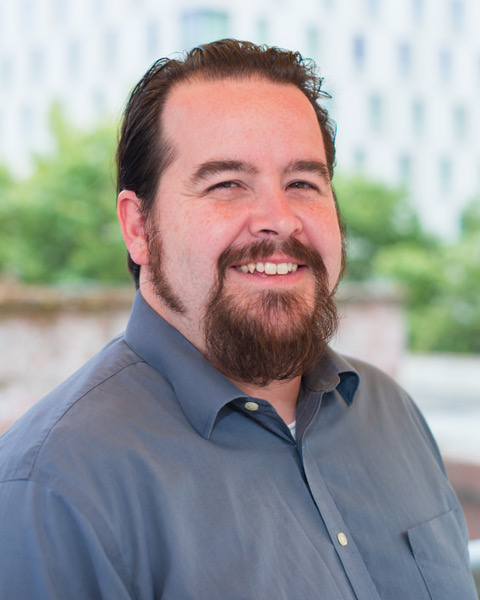 |
Sean Denniston, Principal, Heritage Green Consulting Sean is the principal of Heritage Green Consulting, a preservation consultancy working at the intersection of historic preservation and sustainability. He brings particular attention to how sustainability policies impact the preservation of historic buildings and how to craft these policies to limit harm and even benefit historic buildings. His work at Heritage Green is built on a career at the forefront of sustainability and decarbonization codes and policy. He was formerly an Associate Director at New Buildings Institute where he was the subject matter expert on existing buildings for NBI’s work in energy codes, decarbonization policy and building performance standards. He earned a Bachelor’s Degree in Architecture with a minor in Architectural History at the University of Oregon and a Master’s Degree in Historic Preservation at the University of Pennsylvania. |
 |
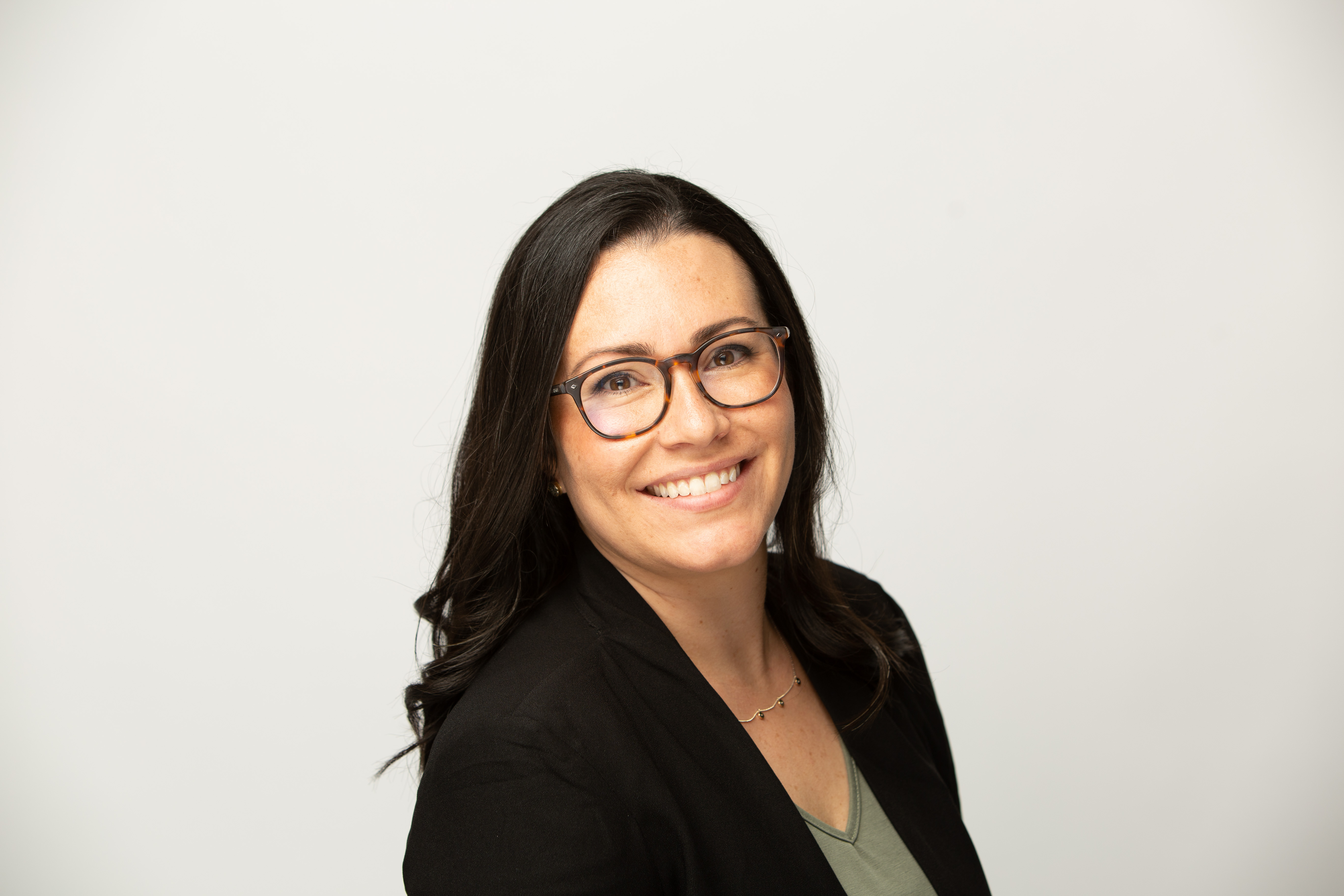
Lori Ferriss, AIA, PE, Executive Director, Built Buildings Lab Lori Ferriss, AIA, PE, LEED AP BD+C, is Co-Founder and Executive Director of Built Buildings Lab and a Principal Consultant with the Cameron MacAllister Group. Lori is internationally recognized expert on leveraging existing and historic buildings for equitable climate change mitigation and adaptation. She is the co-developer of Architecture 2030’s CARE Tool. A past Chair of the AIA Committee on the Environment (COTE) and APT’s Technical Committee on Sustainable Preservation (APT TC-SP), she serves on the Climate Heritage Network Steering Committee and is a Vice President of ICOMOS ISCES. |
 |
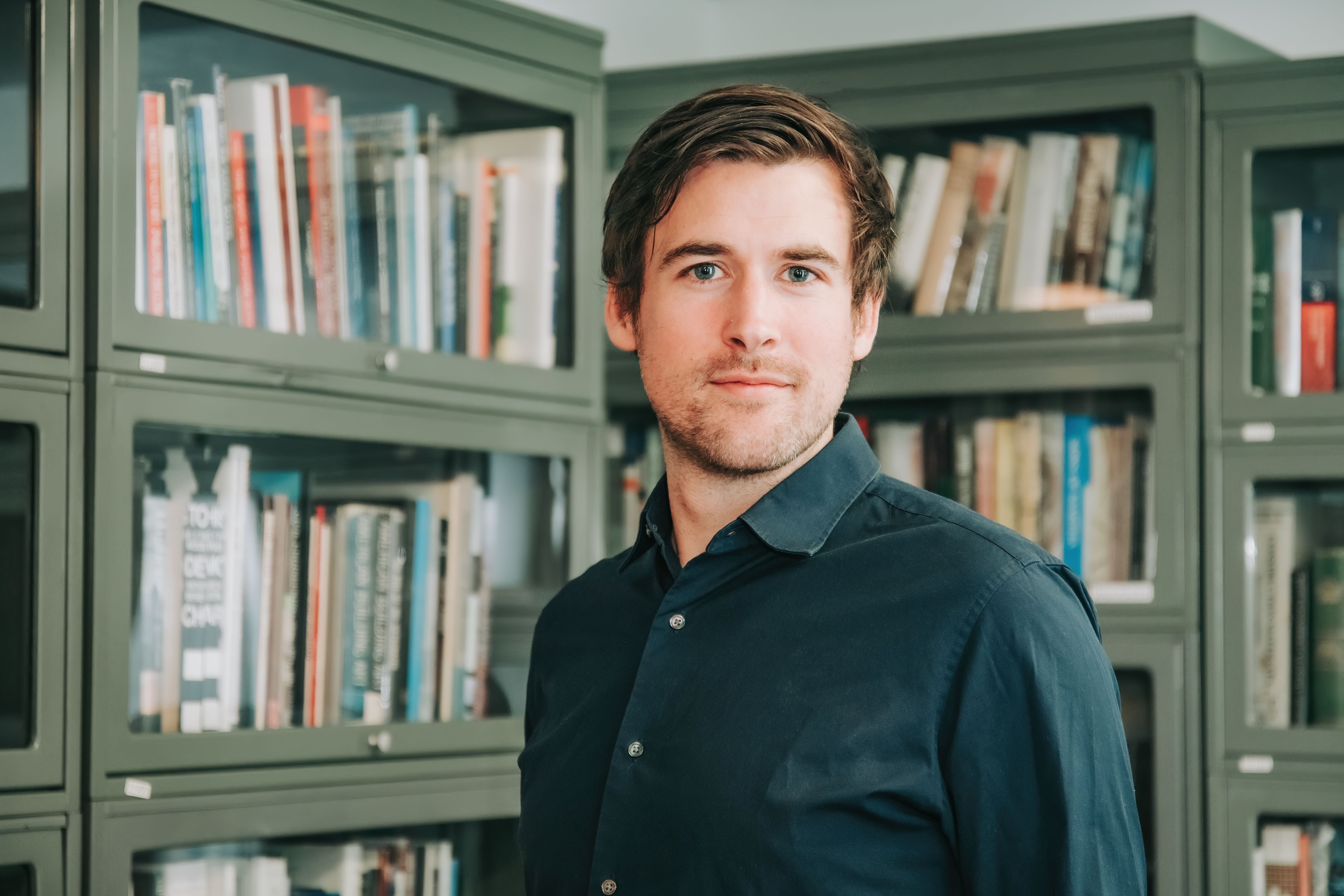
Lyndley Kent, AIA, LFA, Principal, Neumann Monson Architects Lyndley Kent, AIA, LFA, is a Principal at Neumann Monson Architects, recognized for her leadership in sustainable and community-focused design. Her contributions earned her a 2026 AIA Young Architect Award and two national AIA COTE Top Ten Awards one 2021 for an adaptive reuse project, and the second in 2025 for an adaptive reuse LBC project. Lyndley co-led the firm’s first Living Building Challenge project and spearheaded the firm’s Just Label renewal. She serves on the AIA Iowa Board, nationally on the AIA COTE Leadership Group, and contributes locally through the WDM Bicycle Advisory Commission and the Iowa Bicycle Coalition. |
 |
Tim Michiels, PE, PhD, Principal, Old Structures Engineering Tim Michiels, PE, PhD is a structural engineer specializing in the analysis, preservation, and adaptive reuse of existing and historic structures. He is a Principal at Old Structures Engineering in New York City and a licensed Professional Engineer in New York, where he leads the design of repairs, upgrades, and additions to a wide range of buildings, from row houses and apartment buildings to bridges, lighthouses, and churches. He holds a PhD in structural engineering from Princeton University and a master’s degree in historic preservation and structural engineering from KU Leuven in Belgium. His work has spanned projects across Europe, North and South America, and North Africa, and he serves as a consultant to the Getty Conservation Institute on seismic retrofitting strategies for historic earthen structures in Peru. He is also a Professor at Columbia University’s Graduate School of Architecture, Planning and Preservation, where he teaches courses on traditional building technology and embodied and operational carbon, and advises graduate research. His published research on structural analysis, sustainable construction, and low-carbon renovation has received multiple awards. |
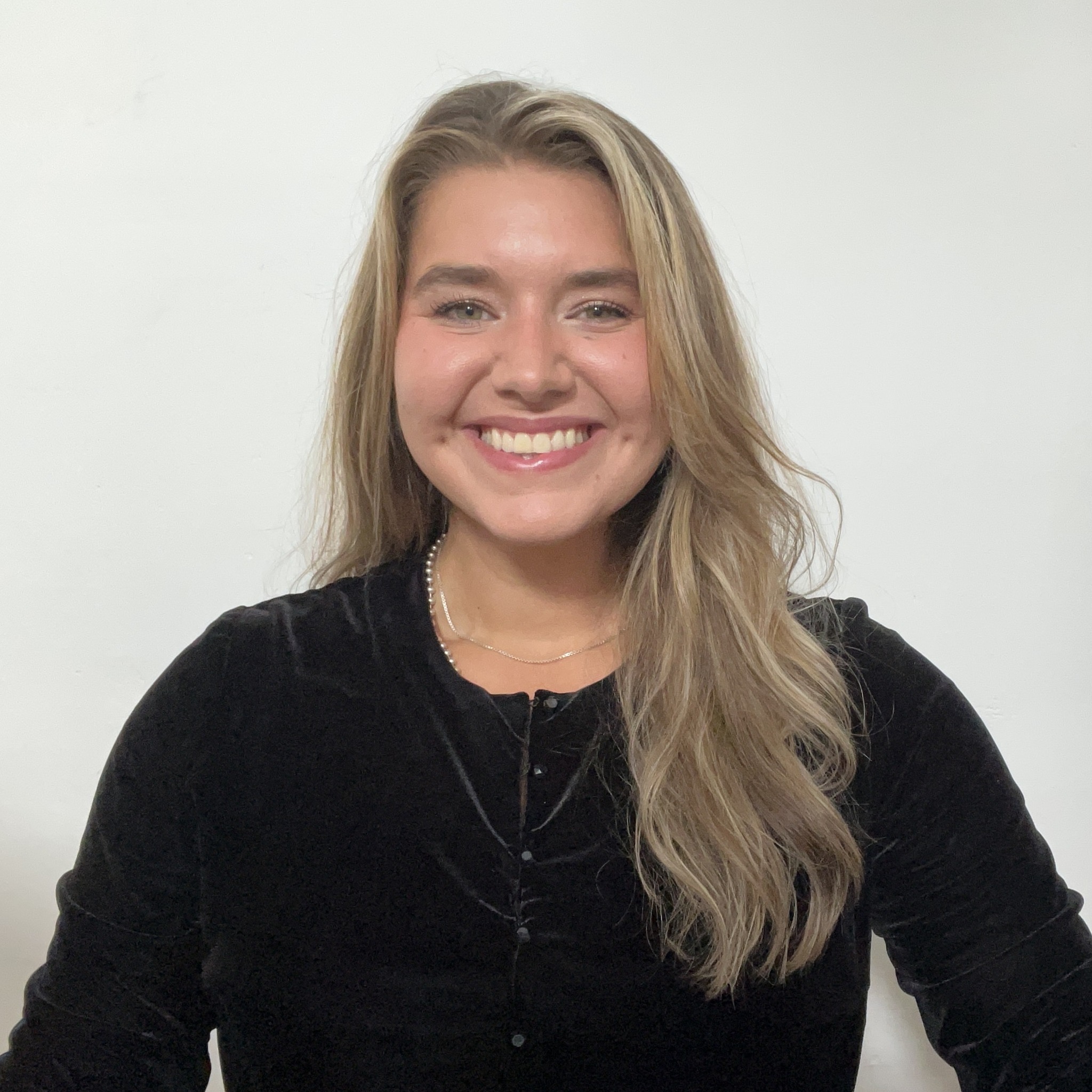 |
Eleanor Phetteplace, Project Manager, Old Structures Engineering Eleanor Phetteplace is a structural engineer and preservationist. She attained her M.S. in Historic Preservation from Columbia University's GSAPP after several years of working as a structural engineer throughout New England and New York City. She currently works as a project manager at Old Structures Engineering in NYC, following a year-long Graduate Internship with the Getty Conservation Institute’s Earthen Architecture Initiative. |
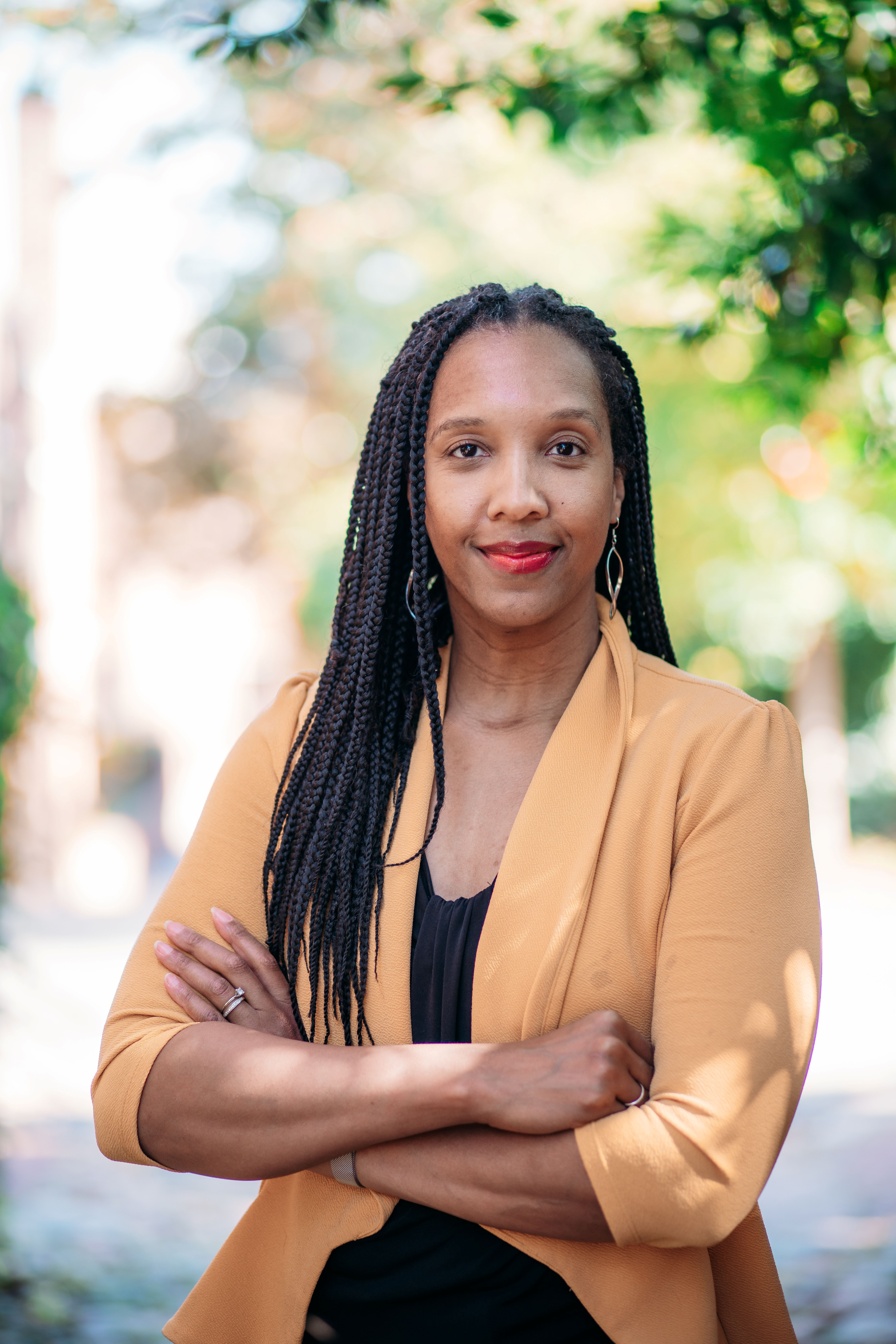 |
Nakita Reed, AIA, NOMA, LEED AP, CPHC, Senior Director of Preservation, Operations for the African American Cultural Heritage Action Fund, National Trust for Historic Preservation Nakita Reed is an award-winning preservation architect whose work sits at the intersection of sustainability, development, and cultural heritage. She is Senior Director of Preservation Operations for the African American Cultural Heritage Action Fund at the National Trust for Historic Preservation. In this role, she helps strengthen preservation practice systems, supports strategic partnerships, and advances preservation education. Nakita holds a Master of Architecture and a Master of Science in Historic Preservation from the University of Pennsylvania, and a Bachelor of Science in Architecture from the University of Virginia. She is a registered architect, a LEED® Accredited Professional, and a certified Passive House Consultant.She serves on the board of the Baltimore Architecture Foundation, the Zero Net CarbonCollaboration for Existing and Heritage Buildings (ZNCC), The L’Enfant Trust, and Built Buildings Lab. She also hosts Tangible Remnants, a podcast that demystifies building reuse for owners and developers. |
 |
Angela Wyrembelski, Associate Principal, Quinn Evans Angela Wyrembelski is an Associate Principal and architect with Quinn Evans, based out of their Detroit office. She received her Masters in Architecture from Boston Architectural College, a Masters Certificate in Historic Preservation from Eastern Michigan University and her undergraduate degree from the University of Michigan. A passionate advocate for historic preservation and adaptive reuse, Angela enjoys the opportunity to extend the life of vacant and underused buildings. Angela leads Quinn Evans Living Practice Area; focusing on the transformation of buildings that touch our daily lives. |
 |
This project has been funded in part by a grant from the National Trust Preservation Fund of the National Trust for Historic Preservation. Specifically, in support of growing participation of students and emerging professionals in online programs. |